



Local deer are resting after a busy rutting season
Published at
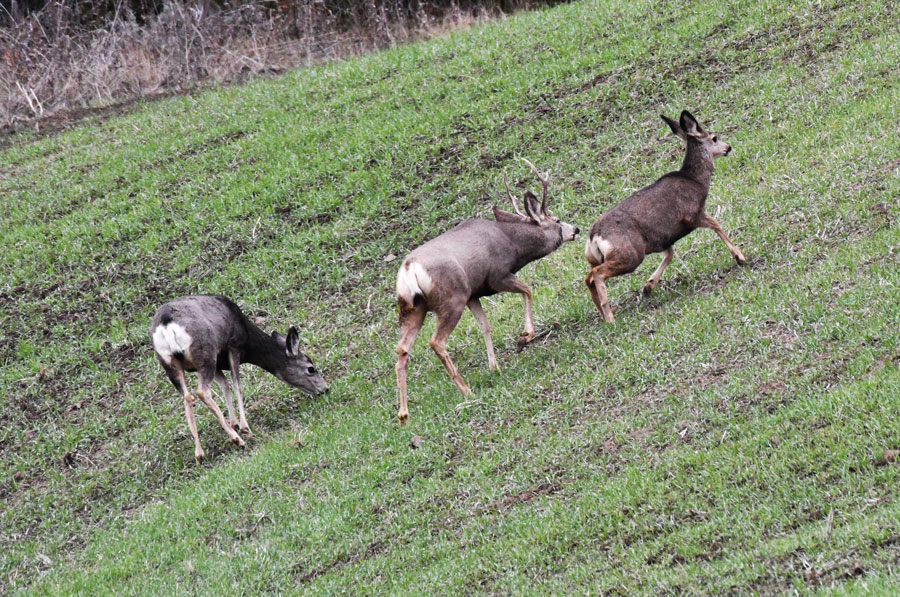
Two weeks ago, while on a day trip into the mountains, I ran into both white-tailed and mule deer bucks chasing does across open fields and meadows. It was in the middle of their rutting season, and procreation was the first thing on their mind. The dominant bucks had pushed the younger and inexperienced bucks away from the herds of does and fawns in late October. The bucks will now rest up and feed heavily for the next two or three weeks but will remain close to the herds of females and young deer.
On Nov. 9, I was watching a muley buck following a doe very closely just before it started snowing. The doe was one of six feeding on some fall wheat in the Mud Springs area east of Rexburg. After watching them for over an hour, she finally allowed him to mount her three times. He then checked out three other does before leaving the group and headed into the thick timber.
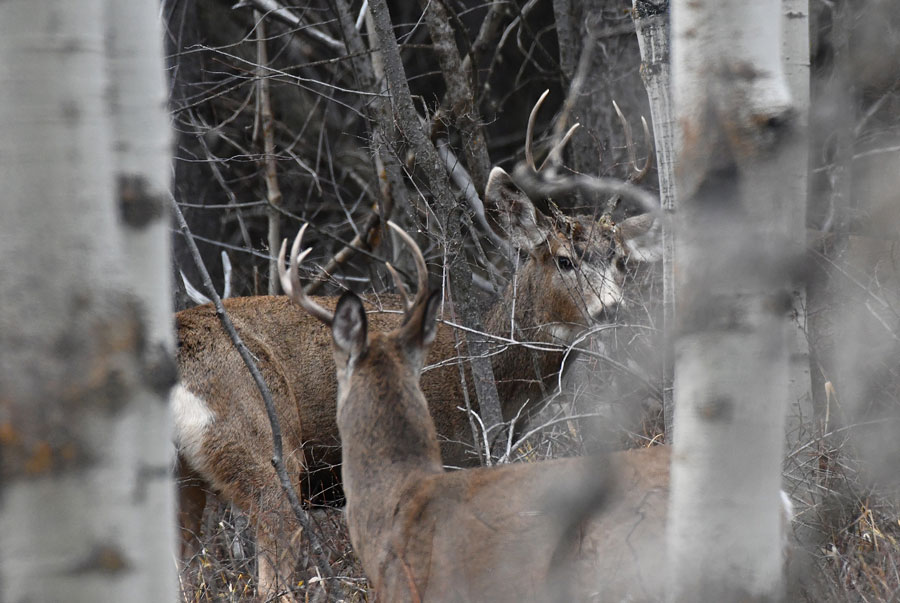
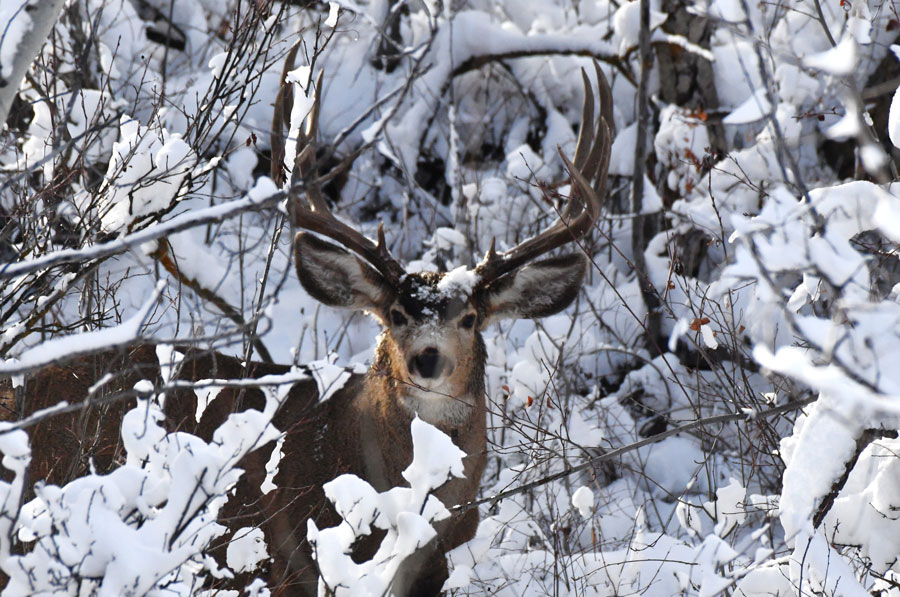
During the first rut window, usually during the first two weeks of November, a doe’s reception window is anywhere from 24 to 72 hours. If they are not bred during that time, they will go into a second estrus period about 28 days later.
Through scent from the does, a buck will usually begin hanging out with a doe about a day before her reception window and will stay with her until breeding has occurred. When multiple does of the same group enter this period at the same time, the bucks get rather bizarre and agitated. This happened this fall east of Rexburg when a white-tailed pair got mixed up with a pair of muleys. The does started chasing each other while the bucks, both of whom appeared to be young, stood next to each other, appearing confused about what to do. Sometimes nature can be very humorous!!
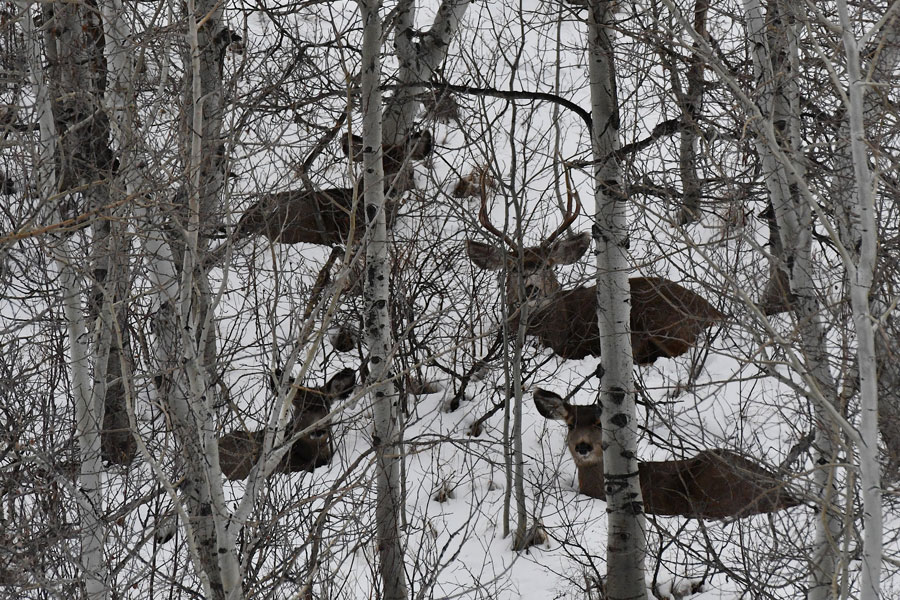
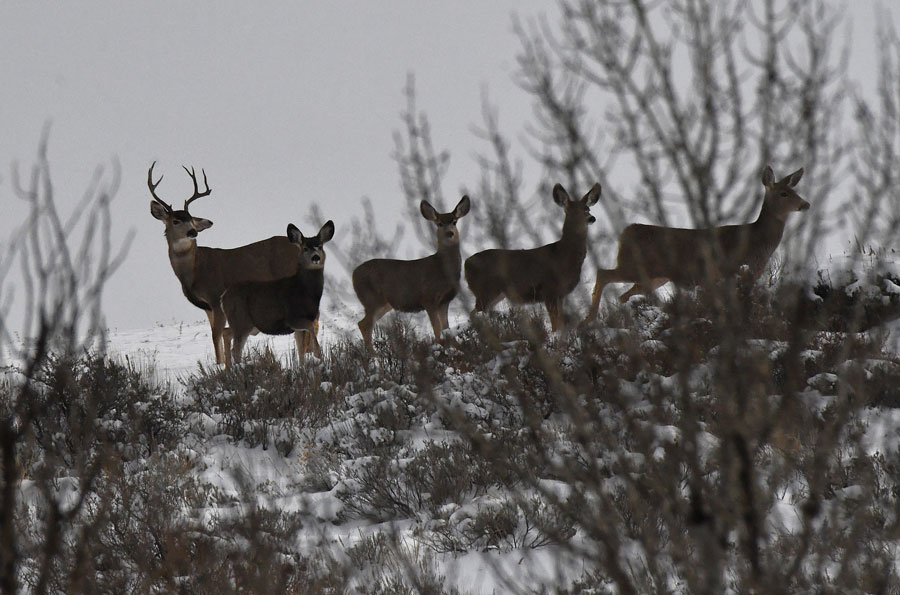
By Nov. 17, there were still a few bucks around, but this week I saw several large bucks hanging out with groups of does. They were feeding and resting a lot. I watched one buck as he scent-tested each doe in a herd of 12, then headed across an open field to more does in another grove of trees.
The mature and experienced bucks know that around the middle of December, unbred or late-season-cycle does will hit their secondary rut window and be available. If the snow level does not increase much, I will be watching for that. If you know where there are some whitetails hanging out, mid-December is also the time to check them out. Whitetail female fawns that were born early last spring will enter their first estrus period and will be chased by the bucks, and that can be fairly entertaining as the mothers will still be protecting their fawns. The females can be very aggressive and mean toward the bucks.
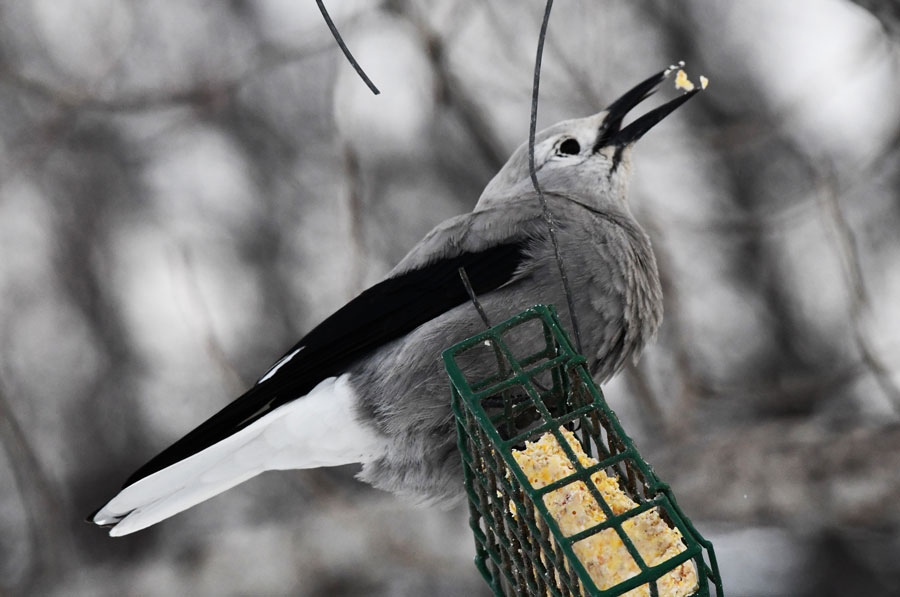
Had a first for Thanksgiving. I had a pair of Clark’s nutcrackers show up at my feeders, and they are going through the suet cakes like every day is Thanksgiving dinner! I have never had them come to my yard before.
I hope all of you had a wonderful Thanksgiving and are busy shopping for Christmas!!!

Living the Wildlife is brought to you by Yellowstone Teton Territory. Experience 7,500 square miles of untamed wilderness in Eastern Idaho's Yellowstone Teton Territory. Where majestic peaks meet endless adventure, your perfect outdoor escape is waiting. Start planning at YellowstoneTeton.com.